
The world didn’t work so well for Native Americans
No — the world did not “work” for Native North Americans especially during colonization, and the historical record is extremely clear about why. Colonization disrupted nearly every aspect of Indigenous life: land, governance, health, culture, and autonomy.
A few key points grounded in the sources you triggered:
🌎 Before Colonization
Indigenous nations across North America had complex societies, trade networks, governance systems, and spiritual traditions. Around 10 million people lived on the continent in diverse cultures and languages.
⚔️ What Changed With Colonization
European arrival brought a cascade of destabilizing forces:
🦠 Catastrophic population loss
Diseases like smallpox, measles, and influenza devastated communities, often wiping out entire villages before Europeans even arrived in person.
📜 Land loss and broken treaties
Colonizers seized land through violence, coercion, and bad‑faith treaties, undermining Indigenous sovereignty and pushing nations off their homelands.
🧭 Disruption of political and economic systems
Indigenous governance structures and trade networks were dismantled or forcibly replaced by European systems.
🧬 Cultural suppression
Colonization targeted Indigenous identity through:
- forced assimilation
- suppression of languages
- outlawing spiritual practices
- removal of children from families
These policies caused deep cultural loss that communities are still working to heal from.
⚖️ Ongoing systemic injustice
The effects didn’t end in the 1600s or 1700s. Colonization created long‑term inequalities in land rights, health, economic opportunity, and political power that persist today.
🌱 Despite all this: resilience
One thing every source emphasizes is Indigenous resilience. Nations resisted colonization through diplomacy, alliances, warfare, and cultural survival strategies — even when facing overwhelming odds.
If you’re exploring this from a historical, ethical, or philosophical angle, I’m happy to dig deeper. For example, we could look at:
- how specific nations (Haudenosaunee, Anishinaabe, Cherokee, Navajo, etc.) adapted
- how colonization differed across regions
- how Indigenous worldviews clashed with European ones
- what “the world working” even means in a colonial context
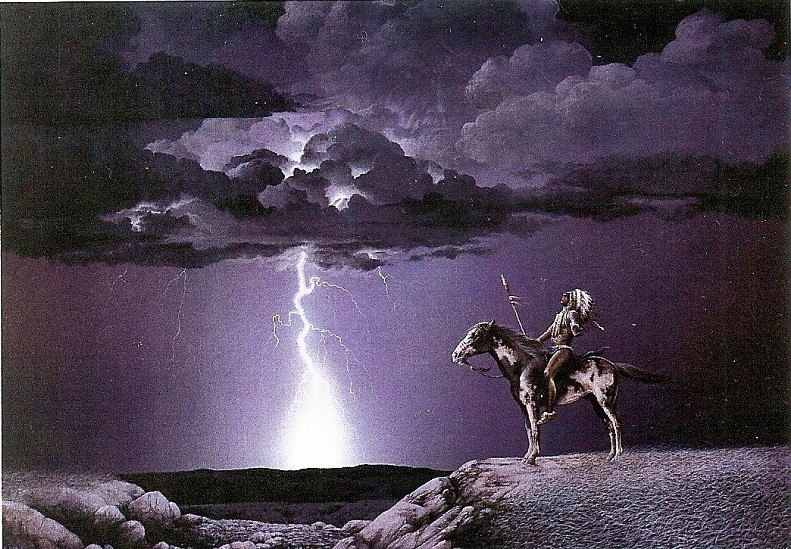
Bill Jaxon – Voice Of Authority
Bill Jaxon is an American artist known for his Western and Native American themed paintings and limited edition prints, often featuring wildlife like eagles, wolves, and buffalo camouflaged within the landscape. His work, which frequently includes hidden images, has been popular in art shows and galleries for decades
Leave a Reply